

A guide to the places

Seven parts of Peru, and what each one is actually like to travel in.

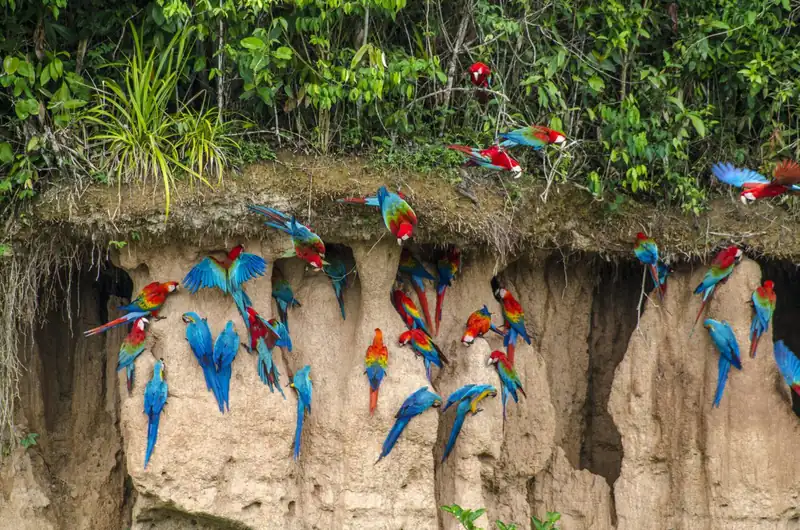
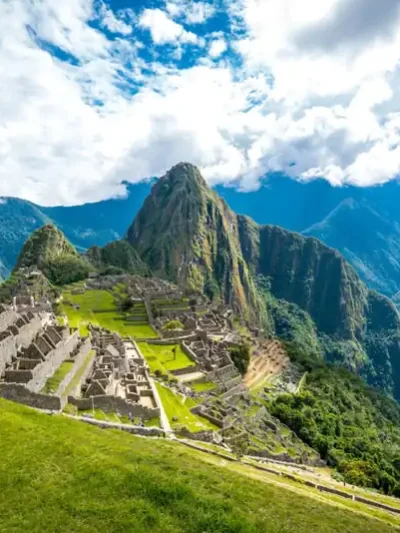
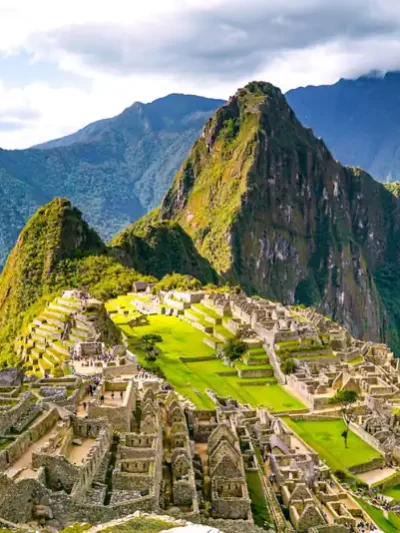
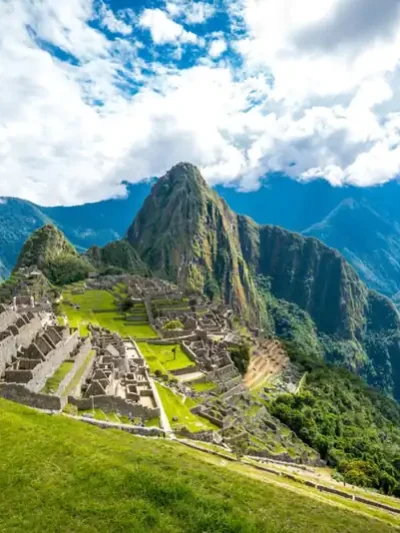
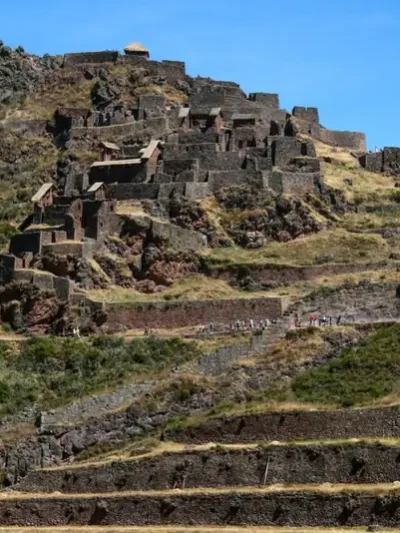
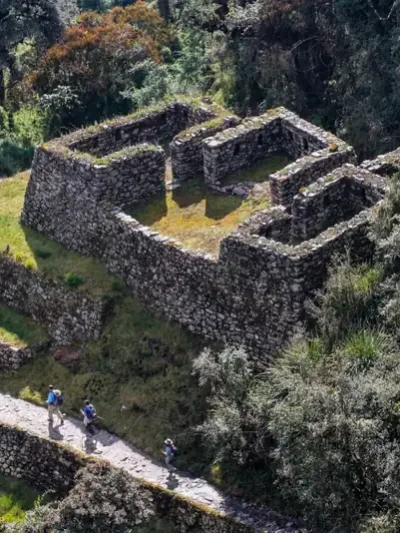
Peru is not one journey. The Sacred Valley is farmland and stone at 2,800 metres, an hour from a city that sits five hundred metres higher. Puno and Lake Titicaca are the same trip on a map and two different days in practice. Tambopata is at sea level, hot, and reached by boat. Knowing which of these belong together — and in which order, so the altitude works with you rather than against you — is most of what planning Peru actually is.

This page is where we set out each place: what it is, when it is at its best, how long it deserves and what it pairs with. Start anywhere.

Why travel with Andean Adventures

We have been designing trips from Cusco since 1985. That is long enough to know which train leaves on time, which valley clouds over in February and which guide to send with which traveller.

A few of the benefits of travelling with us in Peru

  • Operating in the Andes and the Amazon since 1985, from Cusco
  • A locally owned travel company, based in Cusco
  • Official Inca Trail operator under Peruvian government guidelines
  • ISO 9001 and ISO 14001 certified
  • Our own lodge inside the Tambopata National Reserve
  • A tree planted on behalf of every traveller

What to see and do

What Peru is actually like

Eat your way across the country

Peru’s food is regional before it is national. Ceviche on the coast is a different dish from the one served at altitude; the potato varieties change valley by valley; and the best meal of most trips is eaten standing up in a market. We build the eating into the route rather than leaving it to chance.

Ask about a food-led route
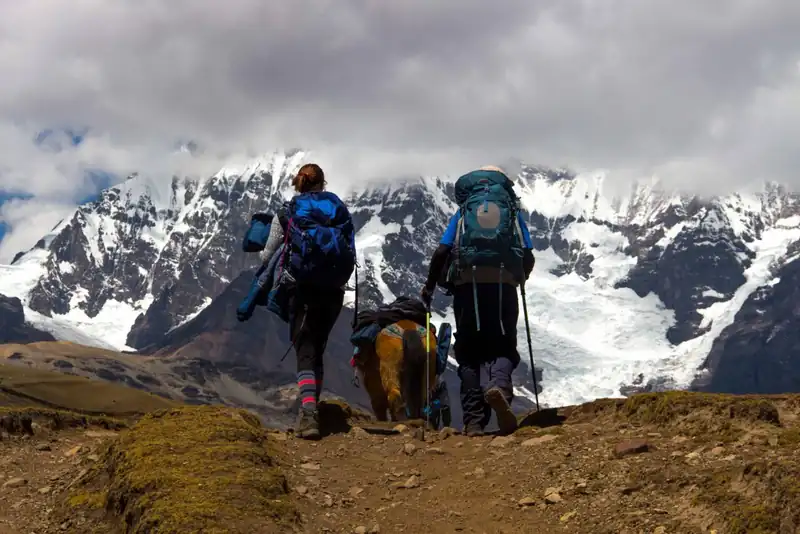
From high passes to the Amazon

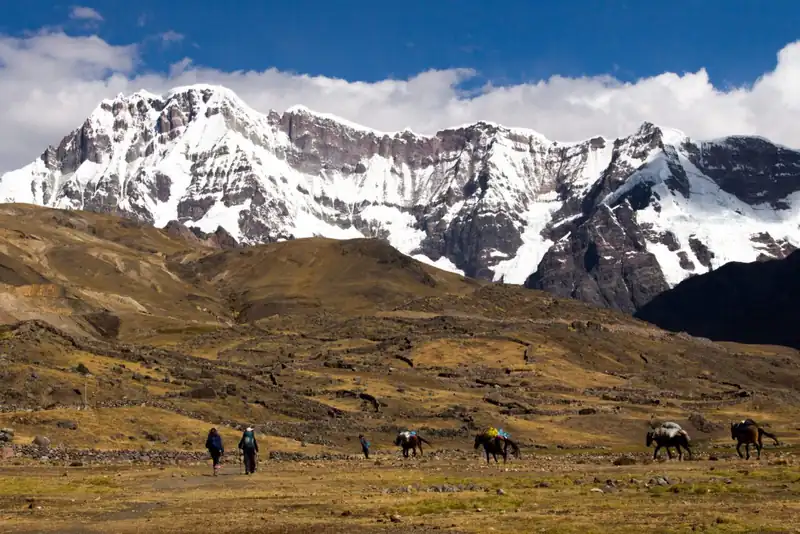
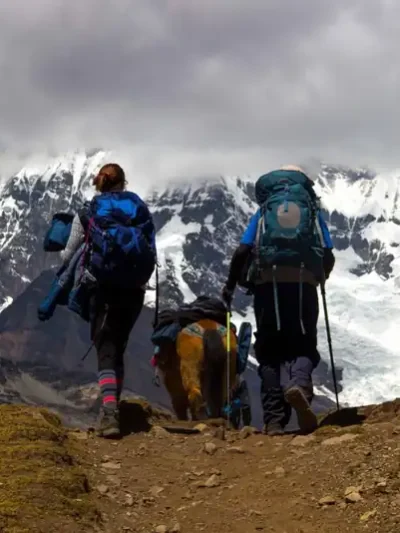
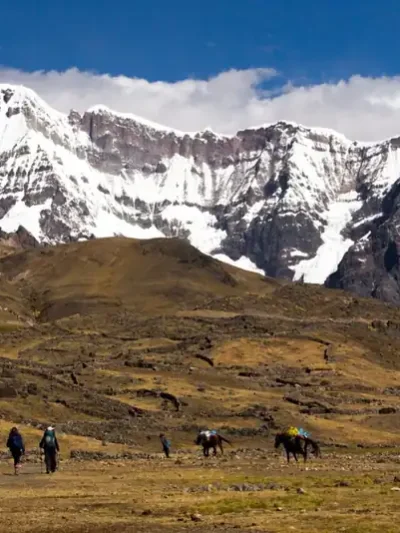
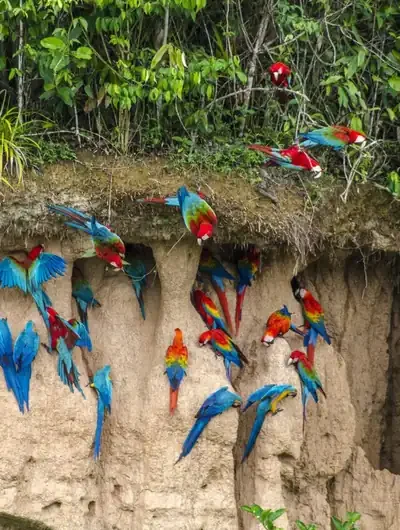
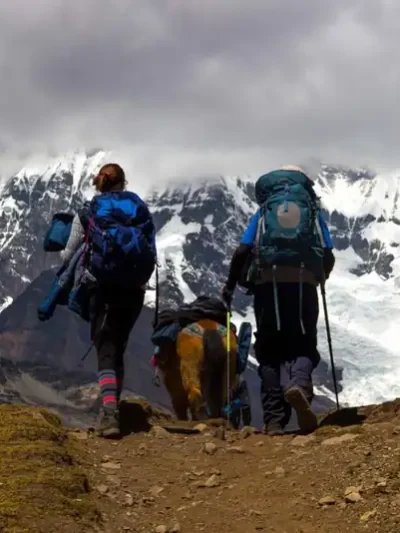
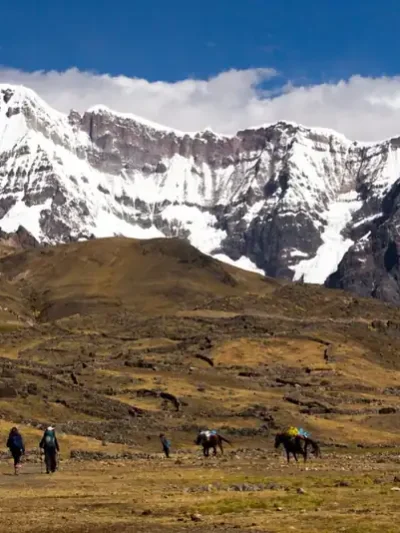
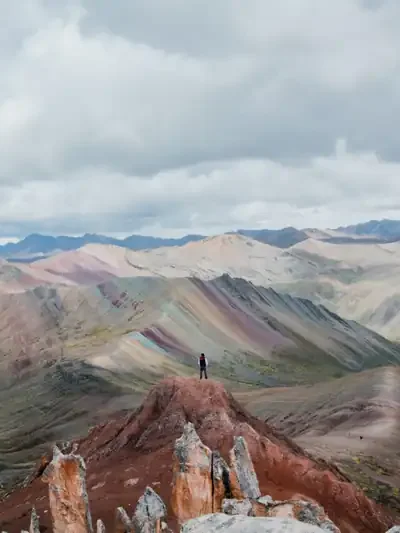
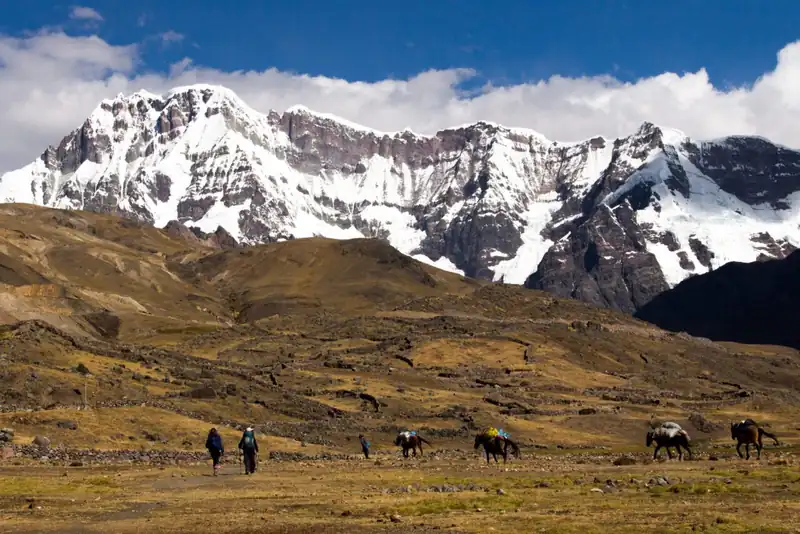
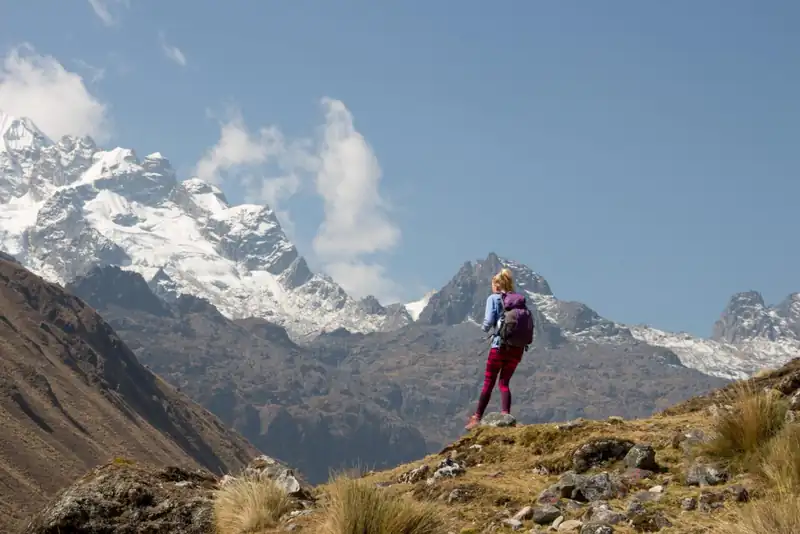
You can stand on a glacier in the morning and be at sea level in the rainforest the following afternoon. Few countries compress that much change into so little distance, and few reward planning as much.

Ask about a two-climate route

Textiles, markets and the people who make them

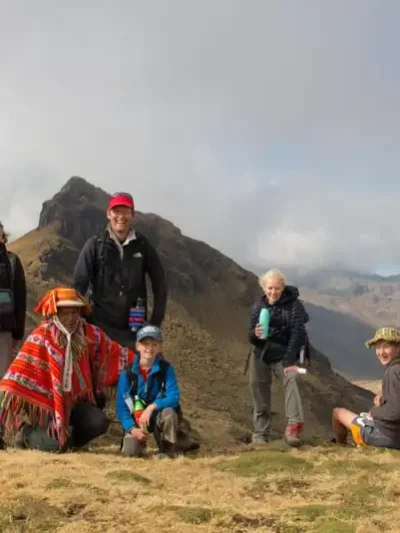
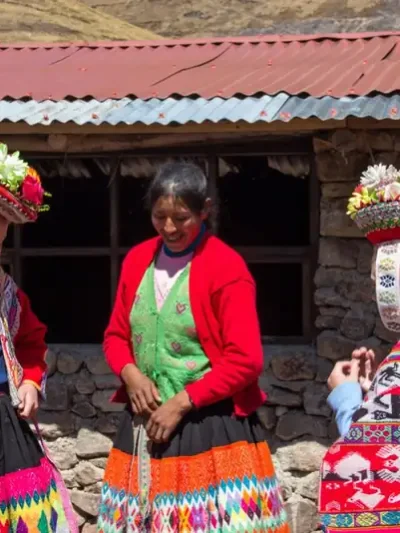
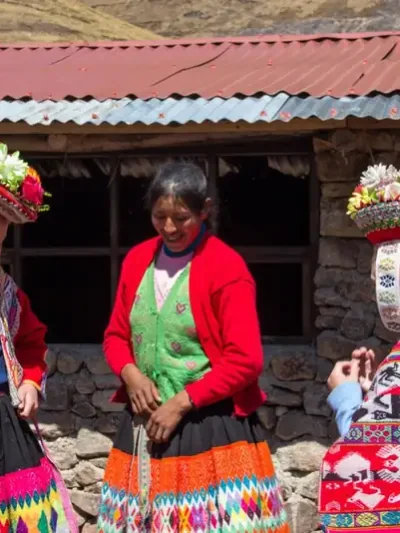
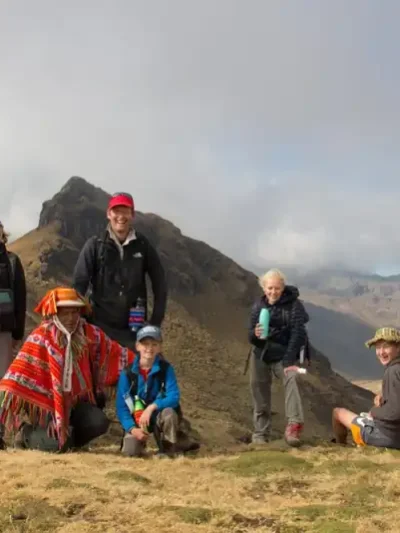
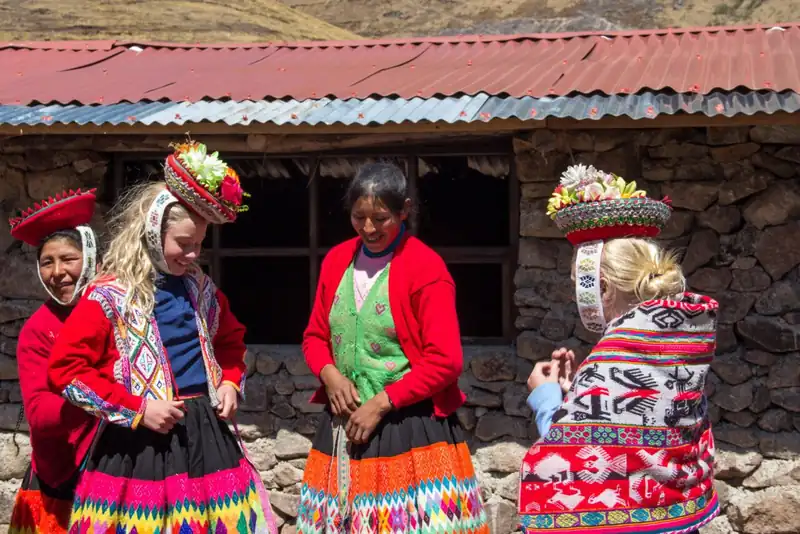
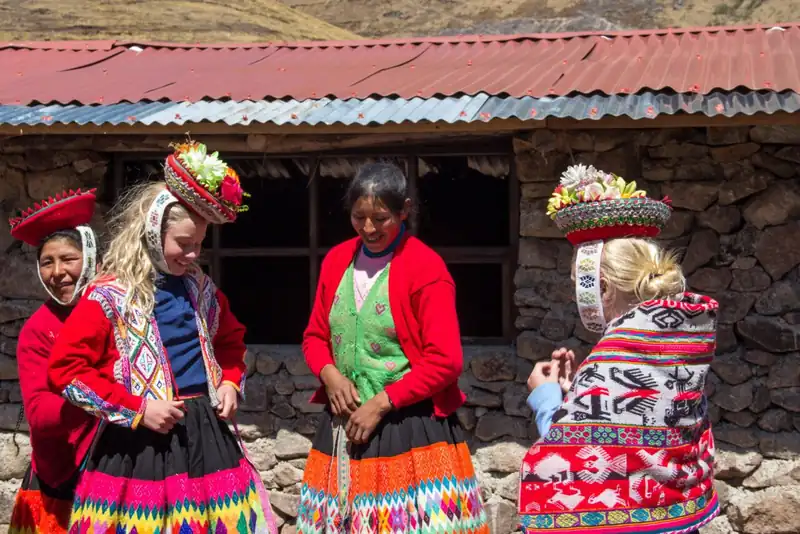
The weaving communities above the Sacred Valley are not a stop on a tour; they are households that have kept a craft alive. Visiting well means going with someone they know, at a time that suits them.

Ask about a culture-led route